
Looking for authentic local experiences for your next south korea travel adventure beyond the usual tourist spots? The City of Seoul recently unveiled the “2026 Seoul Edition 25” (2026 서울에디션25), a curated list of 25 representative local attractions — one selected from each of Seoul’s 25 districts (Gu).

Voted on by 33,911 citizens and expert judges, this list captures the real charm of Seoul during your trip to south korea: tranquil ancient temples, aesthetic Hanok alleys, serene nature parks, and vibrant local markets. Whether you’re planning a seoul travel itinerary or hunting for unique things to do on your travel to seoul korea, here’s your local guide organized by theme — plus the practical stuff (transit, passes, costs) most “top 25” lists skip.
🏆 #1 Most Popular Local Spot: Bongeunsa Temple (봉은사)
- Location: Gangnam-gu (강남구)
Taking the #1 spot with the most votes is Bongeunsa Temple, a thousand-year-old Buddhist sanctuary tucked right into Gangnam’s skyscraper jungle, directly across from Starfield COEX Mall. With glowing lotus lanterns at night and shifting seasonal scenery, locals consistently name it as their go-to spot for a quick spiritual reset in the middle of the city.
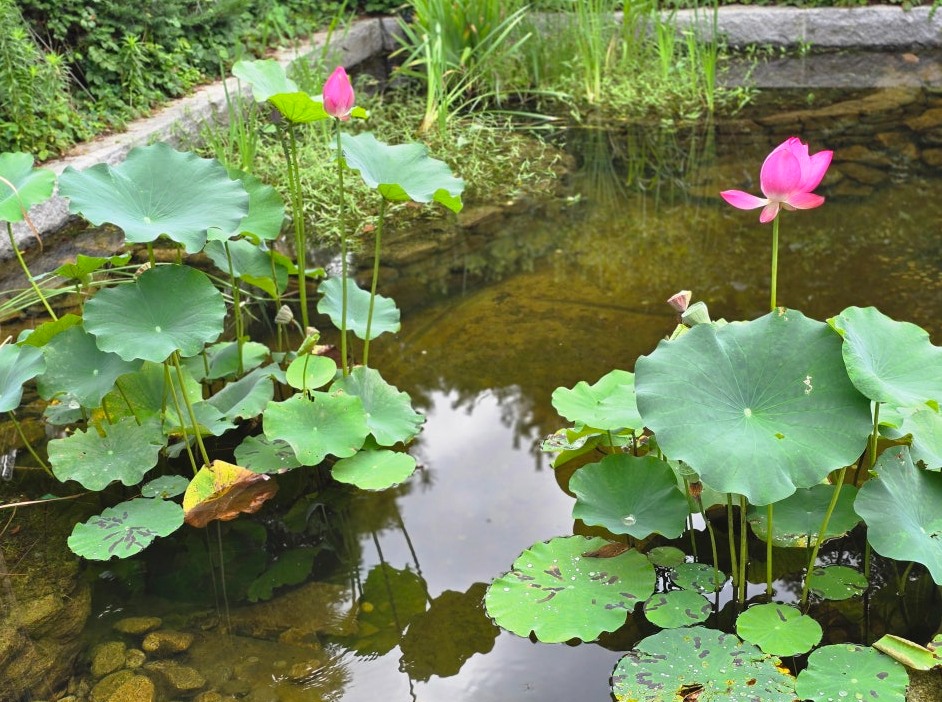
Getting there: Take Subway Line 9 to Bongeunsa Station, Exit 1 — it’s about a 3-minute walk. If you’re coming from COEX, Samseong Station on Line 2 (Exit 6) also works; just follow the underground signs toward the temple.
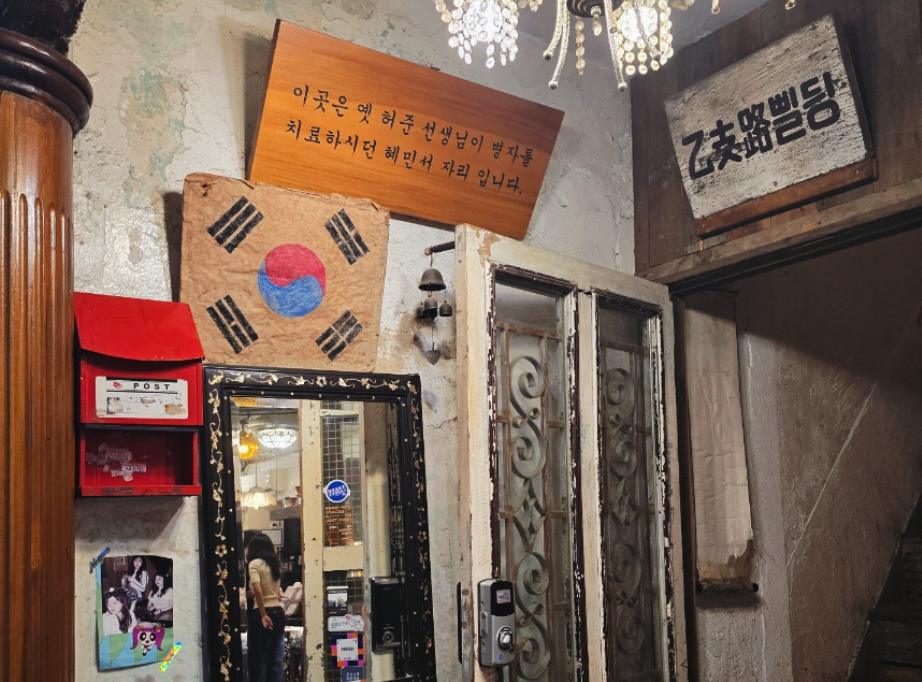
1. Retro Vibes & Aesthetic Alleys (레트로 & 감성 골목)
Seoul is famous for blending traditional heritage with modern trendiness.
- Seosunra-gil (서순라길), Jongno-gu: A stone-wall alley alongside Jongmyo Shrine, lined with Hanok cafes and craft workshops. A popular date-course pick.
- Mullae Arts Village (문래예술창작촌), Yeongdeungpo-gu: Rusted ironworks co-existing with indie art studios and trendy cafes.
- Gyeongdong Market (경동시장), Dongdaemun-gu: A bustling traditional market home to Starbucks Gyeongdong 1960, a repurposed old theater turned café.
- Euljiro Alleys (을지로 골목), Jung-gu: Nicknamed “Hipjiro,” where vintage print shops meet neon lights and old-school pubs.
2. Nature Walks & Panoramic Views (힐링 자연 & 전망)
Escape the urban bustle and recharge with fresh green views and sweeping city panoramas.
- Yongwangsan Skywalk, Yangcheon-gu: Brand new for 2026 — a barrier-free forest deck trail with views over Anyangcheon Stream, the Han River, and downtown Seoul.
- Yongmasan Skywalk, Jungnang-gu: A canopy-level walkway with skyline and night-light views.
- Gwanaksan Mountain, Gwanak-gu: A signature southern-Seoul mountain, hugely popular with young hikers.
- Eunpyeong Bukhansan Dulle-gil, Eunpyeong-gu: A scenic ridge trail next to Eunpyeong Hanok Village.
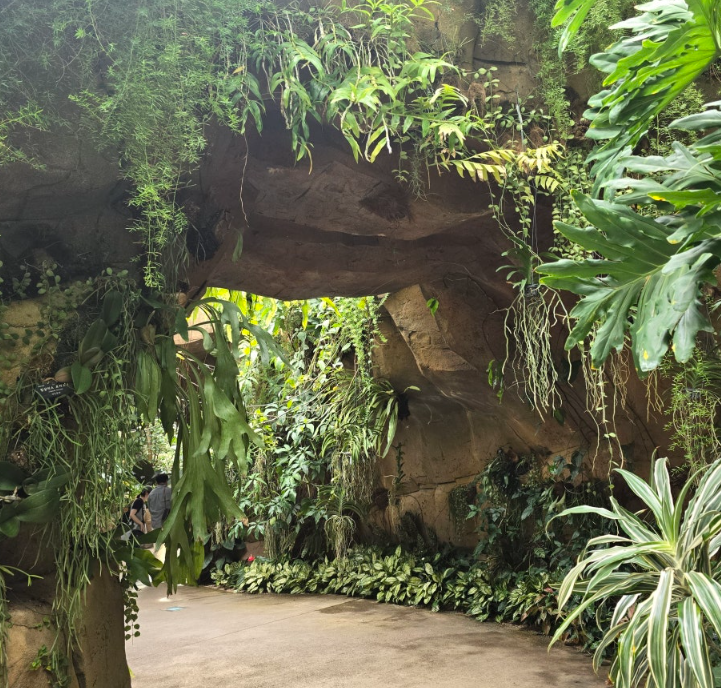
- Seoul Botanic Park, Gangseo-gu: A giant greenhouse plus an outdoor botanical park.
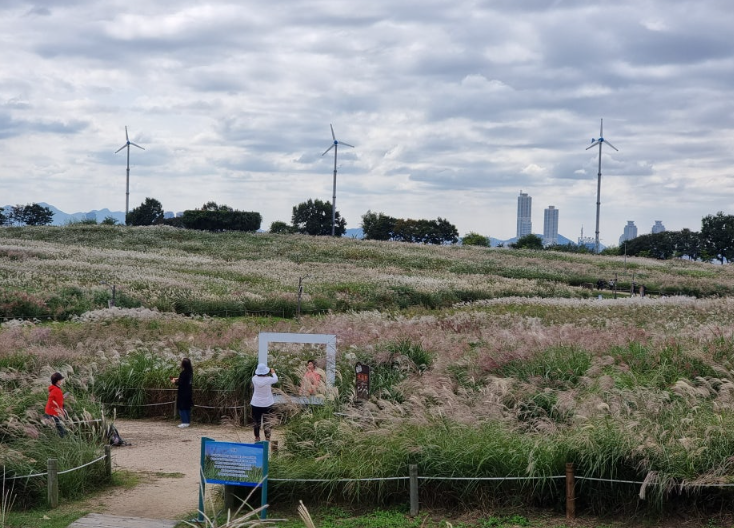
- Haneul Park, Mapo-gu: Known for silver grass fields and sunset views over the Han River.
3. Culture, Art & Trendy Hotspots (문화·예술 & 핫스팟)
Feed your creative side with museums and historic landmarks that rarely make the typical tourist checklist.
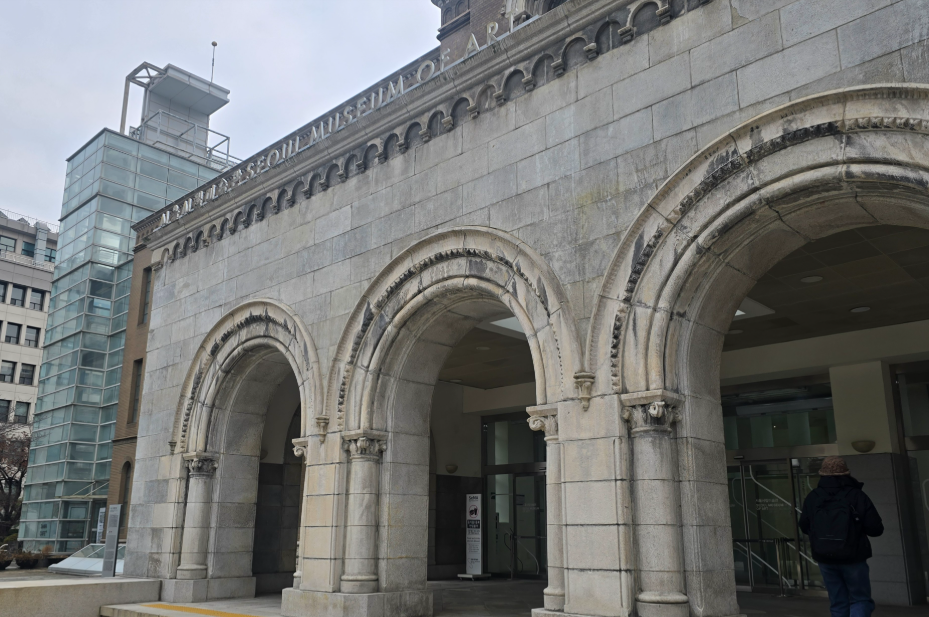
- Seo-Seoul Museum of Art, Geumcheon-gu: Seoul’s first public museum focused on new media art.
- Seoul Museum of Photography, Dobong-gu: Korea’s first public museum entirely dedicated to photography.
- Leeum Museum of Art, Yongsan-gu: National Treasure-level artifacts alongside contemporary work.
- D Museum, Seongdong-gu: A trendy hub leading Seongsu-dong’s creative scene.
- Seodaemun Prison History Hall, Seodaemun-gu: A sobering, historically significant site tied to Korea’s independence movement.
4. All-Season Fun & Night Views (사계절 즐길 거리)
Family-friendly spots and lively night scenes that work year-round.
- Hwarangdae Railway Park, Nowon-gu: A former train station turned night-light garden.
- Seokchon Lake, Songpa-gu: A lakeside walk in Jamsil surrounded by pop-ups and events.
- Children’s Grand Park, Gwangjin-gu: A zoo, botanical garden, and amusement rides in one.
- Gocheok Sky Dome, Guro-gu: Home to KBO baseball games and major K-POP concerts.
- Noryangjin Fisheries Wholesale Market, Dongjak-gu: Early-morning seafood auctions and fresh catch straight from the source.
- Gilsangsa Temple, Seongbuk-gu: A quiet forest temple for reflection.
- Maeheon Citizen’s Forest, Seocho-gu: A picnic forest honoring patriot Maeheon Yun Bong-gil.
- Bukhansan Forest Rest Area, Gangbuk-gu: A natural healing retreat.
- Gwangnaru Bike Park, Gangdong-gu: Riverfront cycling along the Han River.
Getting Around: Do You Need a Transit Pass for the Seoul Edition 25?
Here’s the thing — most of these 25 spots aren’t clustered together in one tourist zone, they’re spread across all 25 districts. Honestly, that’s the whole point (locals wanted to spotlight neighborhoods most visitors skip), but it also means transport planning matters more than usual.
A few practical options worth knowing about:
| Option | Best for | What it covers |
|---|---|---|
| T-money Card | Most travelers | Pay-as-you-go subway, bus, some taxis |
| Discover Seoul Pass (24–120hr) | Palace/museum-heavy days | Free/discounted entry to 60+ attractions, some transport perks |
| Pick 3 Basic Pass | Short trips | Choose 3 curated attractions for a flat fee |
Is the Discover Seoul Pass worth it for this specific list? Not necessarily. Most of the Seoul Edition 25 spots — parks, alleys, markets — are free to enter, so the pass pays off more if you’re also combining palaces, museums, or theme parks into the same trip. If your itinerary is mostly this hidden-gems list, a T-money card alone will get you around just fine.
If you’d rather not plan routes yourself, guided walking tours covering pockets of this list (retro Seoul, temple-and-nature routes, etc.) are increasingly offered through local platforms and typically run for a few hours per group — pricing varies by operator and group size, so it’s worth comparing a couple of listings before booking.
Essential Tips for the Seoul Edition 25
- Curated itineraries are coming. The City of Seoul plans to release half-day and full-day walking routes connecting these spots with nearby restaurants and markets.
- Check for docent programs. Official Seoul travel resources (Seoul Edition, SEOUL MY SOUL) list light shows, docent tours, and cultural workshops at select spots.
- Try the “stamp tour” format. Several of these 25 districts are running stamp-collecting campaigns tied to the list — a fun way to explore beyond Myeongdong and Hongdae.
FAQ: 2026 Seoul Edition 25
Q: What exactly is the 2026 Seoul Edition 25?
It’s an official list from the City of Seoul, with one representative local attraction chosen from each of Seoul’s 25 districts, based on a public and expert vote.
Q: Is a Seoul transit pass worth buying just for this list?
Not really — most spots on this list are free green spaces, alleys, or markets. A pass makes more sense if you’re combining paid attractions like palaces or theme parks into your trip.
Q: How much does a guided Seoul hidden-gems tour typically cost?
Prices vary by operator, group size, and route length, so it’s best to compare a few listed tours rather than assume one flat rate.
Q: Are these spots easy to reach by public transport?
Most are directly accessible by subway or a short bus ride, though a few (like mountain trails) involve more walking than a typical city attraction.
Q: When’s the best time to visit these spots?
Spring and autumn tend to be the most comfortable seasons weather-wise for outdoor spots like Haneul Park or the skywalks, while indoor museums work well year-round.